Our Primary Operating Division
The ‘Green Technology’ that has been developed and implemented under the Verde brand serves as Silkline Capital’s established operational foundation, providing proven manufacturing capabilities and commercial-scale green technology development. With established operations in sustainable materials manufacturing and renewable energy production, Verde delivers environmental solutions while generating commercial value.
Our Operations
Established Manufacturing Capabilities
Verde provides Silkline Capital with:
-
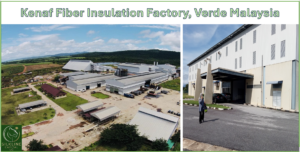
Commercial-Scale Production: Operating manufacturing facilities in ASEAN
-
Proven Track Record: Years of operational experience and performance
-
Market Presence: Established customer relationships and supply chains
-
Technical Expertise: Experienced engineering and operations teams
-
Quality Standards: Proven manufacturing systems and quality control
Business Lines
1. Sustainable Materials & Natural Fibers
Biocomposite Materials Manufacturing:
- Natural fiber insulation products
- Biocomposite building materials
- Carbon-negative construction products
- Sustainable packaging solutions
Natural Fiber Operations:
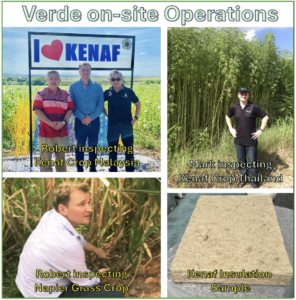
- Kenaf Cultivation Partnerships: Work directly with farmers providing technical support, quality standards, and reliable offtake agreements
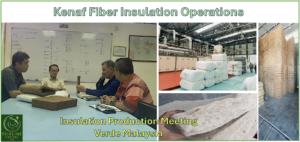
- Fiber Processing: Integrated processing facilities transforming raw kenaf and other natural fibers into finished products
- Multi-Fiber Trading: Sourcing and trading coconut fiber (coir), banana fiber, pineapple fiber, and other agricultural waste fibers
- Supply Chain Development: Building fair-trade relationships and reliable sourcing networks with farming communities
- Value Chain Integration: From seed to finished product, ensuring quality and fair pricing for farming partners
Manufacturing Advantages:
- Superior thermal and acoustic performance
- Fire-resistant natural materials
- Carbon sequestration through product use
- Lower environmental impact than traditional materials
- Competitive pricing and performance benefits
2. Renewable Energy & Clean Fuels
Biomass-to-Energy Systems:
- Biomass conversion facilities with proven operations
- Advanced thermal gasification technologies
- Commercial-scale deployment and performance
- Multiple revenue streams (energy sales, carbon credits)
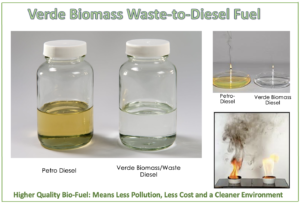
Advanced Biofuel Production:
- Proprietary processing technologies
- Enhanced efficiency standards
- Sustainable Aviation Fuel (SAF) capabilities
- Industrial and transportation applications
Green Hydrogen Development:
- Advanced electrolyzer systems
- Waste heat recovery integration
- Industrial decarbonization applications
- Manufacturing capacity for hydrogen equipment
Waste-to-Energy Systems:
- Conversion of waste streams to valuable energy
- Circular economy approach
- Resource efficiency improvements
- Environmental impact reduction
3. Environmental Services
Carbon Credit Development:
- Origination and certification of carbon credits
- Project development and verification
- Revenue generation from environmental benefits
- Support for corporate net-zero commitments
Waste Processing & Resource Recovery:
- Transformation of waste into valuable resources
- Landfill diversion and waste reduction
- Material recovery and recycling
- Circular economy solutions
Technology Platforms
Proprietary Technologies & Innovation
Advanced Biofuel Processing:
- Thermal gasification systems exceeding industry efficiency
- Proprietary catalyst and conversion technologies
- Flexible feedstock capabilities
- Technology licensing opportunities
Natural Fiber Biocomposites:
- Proprietary formulations using kenaf and other natural fibers
- Advanced processing methods preserving fiber strength
- Fire-resistant binding systems
- Superior thermal insulation properties
- Carbon-negative production methods
Green Hydrogen Systems:
- Enhanced efficiency electrolyzer designs
- Waste heat integration for improved performance
- Modular scalable systems
- Industrial application focus
Waste-to-Energy Conversion:
- Proprietary conversion technologies
- Multiple waste stream capabilities
- Energy and material recovery
- Emissions control and environmental performance
Geographic Operations
Current Manufacturing Locations
Southeast Asia Operations:
- Malaysia: Primary manufacturing facilities and kenaf cultivation partnerships
- Vietnam: Production operations and natural fiber sourcing currently being established
- Thailand: Manufacturing and supply chain operations
- Regional Network: Integrated supply chain across Southeast Asia
Operational Advantages:
- Access to natural fiber feedstocks
- Cost-effective manufacturing
- Growing regional markets
- Established logistics and distribution
- Experienced local workforce
Expansion Plans
European Manufacturing:
- Planned facilities in Estonia for EU market access
- Local production reducing transportation emissions
- European supply chain development
- Meeting EU sustainability standards
Capacity Expansion:
- Increase production at existing facilities
- Add new product lines and capabilities
- Expand farmer partnership networks
- Enter new geographic markets
Farmer Partnerships
Supporting Sustainable Agriculture
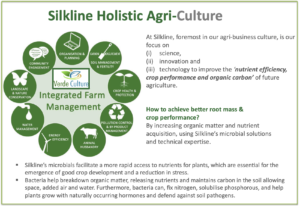
Kenaf Cultivation Program:
- Technical Support: Training on sustainable farming practices and optimal growing conditions
- Quality Standards: Clear specifications and grading systems
- Reliable Offtake: Guaranteed purchase agreements providing income security
- Fair Pricing: Competitive prices based on quality and market conditions
- Long-Term Relationships: Multi-year partnerships supporting farmer planning and investment
Environmental Benefits of Kenaf:
- Fast-growing crop (harvest in 4-5 months)
- Deep root system preventing soil erosion
- High carbon sequestration rate
- Minimal water requirements
- No pesticide requirements
- Improves soil health for subsequent crops
Community Impact:
- Additional income streams for farming families
- Utilization of marginal agricultural land
- Job creation in rural communities
- Technology transfer and capacity building
- Economic development in agricultural regions
Market Position
Competitive Advantages
- Established Operations: Proven manufacturing capabilities and track record
- Vertical Integration: From fiber cultivation to finished products
- Technology Leadership: Proprietary systems with superior performance
- Cost Competitiveness: Efficient operations and supply chain management
- Environmental Performance: Measurable sustainability benefits
- Market Relationships: Established customer base and distribution
Target Markets
Sustainable Construction:
- Green building materials for residential and commercial construction
- Insulation products meeting stringent environmental standards
- Products for LEED, BREEAM, and other certified buildings
- Growing demand driven by regulatory requirements
Renewable Energy:
- Clean fuel production for transportation and industry
- Sustainable Aviation Fuel (SAF) for airline industry
- Industrial process heat and power generation
- Green hydrogen for industrial decarbonization
Circular Economy:
- Waste-to-energy solutions for municipalities and industry
- Resource recovery and material recycling
- Carbon credit generation and sales
- Environmental services and consulting
Environmental Impact
Measurable Sustainability Outcomes
Carbon Reduction:
- CO2 emissions avoided through sustainable materials
- Carbon sequestered in biocomposite products
- Fossil fuel displacement through clean energy production
- Reduced transportation emissions through local production
Resource Efficiency:
- Waste streams diverted from landfills
- Agricultural waste converted to valuable products
- Water conservation in manufacturing processes
- Energy efficiency improvements
Ecosystem Benefits:
- Soil health improvement through kenaf cultivation
- Reduction of agricultural burning
- Biodiversity support through sustainable farming
- Reduced pressure on forests through alternative materials
Quality & Standards
Manufacturing Excellence
- Quality Management Systems: ISO-aligned processes and procedures
- Product Testing: Comprehensive testing for performance and safety
- Regulatory Compliance: Meeting international standards and certifications
- Continuous Improvement: Ongoing optimization of processes and products
- Customer Support: Technical assistance and application guidance
Future Development
Growth Initiatives
Product Innovation:
- New biocomposite formulations for expanded applications
- Enhanced biofuel processing technologies
- Advanced green hydrogen systems
- Next-generation waste conversion technologies
Market Expansion:
- Entry into European markets with local production
- Expansion in Southeast Asian countries
- New product categories and applications
- Strategic partnerships and distribution agreements
Capacity Building:
- New manufacturing facilities in strategic locations
- Expanded farmer partnership networks
- Increased production capacity at existing sites
- Enhanced R&D capabilities
Integration with Silkline Capital
Strategic Value to the Group
- Operational Foundation: Proven manufacturing capabilities supporting group growth
- Revenue Generation: Established cash flow and profitability
- Technology Platform: Proprietary technologies applicable to new ventures
- Market Access: Established customer relationships and distribution networks
- Team Expertise: Experienced management and technical teams
- Vertical Integration: Materials for Silkline’s property development projects
Contact
For business inquiries, partnership opportunities, or product information:
Verde Green Technology
A Division of Silkline Capital OÜ
Registration Number: 17302662
Headquarters: Tallinn, Estonia, European Union